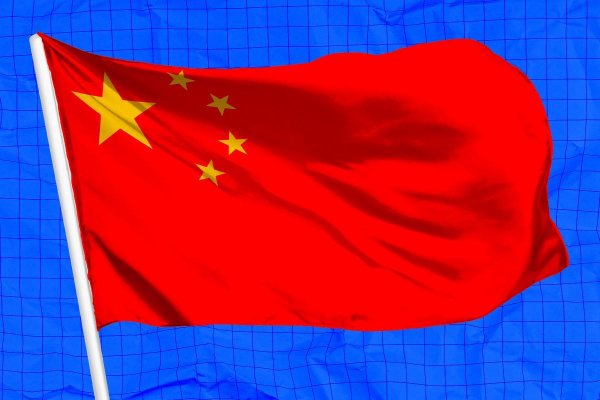
In a quiet overnight shift that caught many investors off guard, a Chinese open-weight AI model has claimed the top spot in a widely watched coding benchmark, overtaking 16 competitors including leading US-designed systems. The model, Kimi-K3, developed by Beijing-based Moonshot AI, was ranked number one in the Frontend Code Arena on Thursday, according to the AI benchmarking platform Arena.ai. The ranking measures an LLM's ability to handle multi-step web development tasks, a domain where US models had previously dominated.
Kimi-K3's rise was dramatic: it jumped from 17th place to first, surpassing models such as Claude Fable 5 and GPT-5.6 Sol by a significant margin. In the separate Text Arena, which evaluates text-to-text tasks like creative writing, Kimi-K3 secured the ninth spot, a substantial improvement over Moonshot AI's earlier model, Kimi-K2.6, which had ranked 38th.
The announcement arrives amid a turbulent period for US tech stocks. On Friday morning, semiconductor shares fell sharply, and the Nasdaq composite slid by 1.4 percent, extending a week of losses driven by concerns over a potential AI bubble. The news of Kimi-K3's performance adds another layer of uncertainty for investors who have poured billions into proprietary AI development.
What sets Kimi-K3 apart is not just its performance but its open-weight nature. Unlike proprietary systems such as GPT-5.6, which are closely guarded, open-weight models allow public access to their internal architecture. According to industry data, open models cost users on average six times less than their closed counterparts, though historically they have lagged slightly in performance. That gap now appears to be narrowing, raising questions about the value proposition of expensive closed-source offerings.
Xiaoyin Qu, a former Meta senior product manager and now an AI entrepreneur, highlighted the pricing dilemma on social media: "When the best open weight model exceeds the best closed-source model, how does [Anthropic] justify its Fable pricing? Why would anyone pay for that?" Her remarks echo a broader industry debate about whether the premium charged for proprietary models is justified.
Cost Pressures Mount for US Tech
The shift toward open-weight models has been gaining momentum even before Kimi-K3's release. US companies, facing the high costs of closed AI systems, have increasingly turned to Chinese alternatives. With Kimi-K3 now outperforming closed models in a key benchmark, the economic case for paying up to six times more for a slight performance edge weakens further.
Qu also pointed to a striking valuation disparity: "Kimi's most recent funding round values the company at $20 Billion as of two months ago. Anthropic is worth almost 1 trillion, 50x. Why?" The question underscores a growing disconnect between the performance and cost of AI models and their market valuations.
For the US tech industry, which has long argued that AI requires trillions of dollars in investment, the rise of efficient, low-cost open-weight models from China poses a direct challenge. The success of Kimi-K3, following a similar pattern set by DeepSeek last year, suggests that cutting-edge AI may not require the massive capital expenditures that US firms have projected.
As the benchmark results settle in, the implications extend beyond coding tests. The performance of Kimi-K3 could accelerate the adoption of open-weight models, reshape pricing strategies across the industry, and force a reevaluation of what constitutes a competitive advantage in AI development.