European Union officials, including a senior UK lawmaker and a Latvian parliamentary leader, may have been deceived by sophisticated deepfake videos impersonating Russian opposition figures, according to reports. The suspected operation, allegedly orchestrated by Kremlin-linked actors, targeted individuals connected to Alexei Navalny's political movement, raising alarms about the growing use of artificial intelligence in espionage and disinformation campaigns.
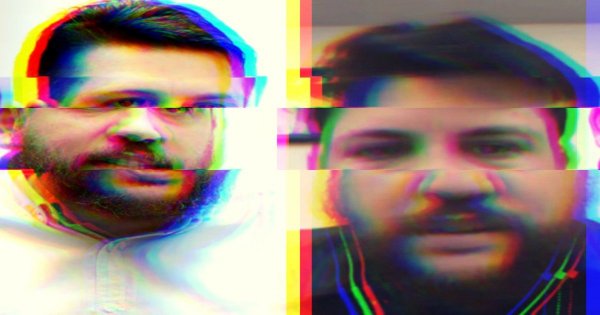
Tom Tugendhat, chair of the UK's foreign affairs select committee, has stated that Russia was behind the potentially deepfaked meetings. Rihards Kols, chairman of the foreign affairs committee in the Latvian parliament, also believes he may have been fooled. Kols shared on Twitter a photograph of Navalny ally Leonid Volkov alongside a screenshot from a recent Zoom call, showing a person purporting to be Volkov, and asked followers to compare the resemblance.
According to Kols, he received an email from someone claiming to be Volkov, requesting a video conference. During the meeting, the discussion covered Russia's political prisoners and aggression against Crimea. However, suspicions arose after the alleged imposter attended a Ukrainian Foreign Affairs Committee meeting and became openly combative, as reported by Lithuanian Radio and Television. By that time, the individual had already participated in several meetings with top-level EU officials.
In a Facebook post on Thursday, Kols described the incident as "quite a painful lesson" but expressed gratitude to the fake Volkov for the wake-up call. He warned that the era of "truth decay" and post-truth politics poses a serious threat to the safety and stability of nations and societies. The incident underscores the increasing sophistication and accessibility of deepfake technology, which allows anyone with the right software to impersonate others convincingly.
Rising Threat of AI-Enabled Deception
The use of deepfakes in political contexts is not new, but the scale and precision of this operation highlight a worrying trend. Kols, along with the chairs of the Estonian Foreign Affairs Committees, issued a joint statement acknowledging that while technological advances have connected people and improved lives, the evolution of machine learning and deepfake technologies also means that risks from foreign and criminal cyber actors are becoming more relevant.
This incident serves as a stark reminder that even high-ranking officials are vulnerable to such tactics. The ability to create realistic fake videos and audio has expanded beyond state actors to include individuals with malicious intent, as seen in cases like the mother who deepfaked her daughter's cheerleading rivals. The geopolitical implications are profound, as deepfakes can be used to sow discord, manipulate public opinion, and undermine trust in political processes.
Authorities are now urging increased vigilance and the development of countermeasures to detect and mitigate the impact of deepfake technology. The incident also highlights the need for international cooperation to address the challenges posed by AI-driven disinformation, which respects no borders and targets the very foundations of democratic institutions.
As the investigation continues, the affected officials are reflecting on the lessons learned. The episode has sparked a broader conversation about the ethical use of AI and the urgent need for robust verification mechanisms in diplomatic and political communications. While the full extent of the operation remains unclear, the message is clear: in an age of deepfakes, seeing is no longer believing.