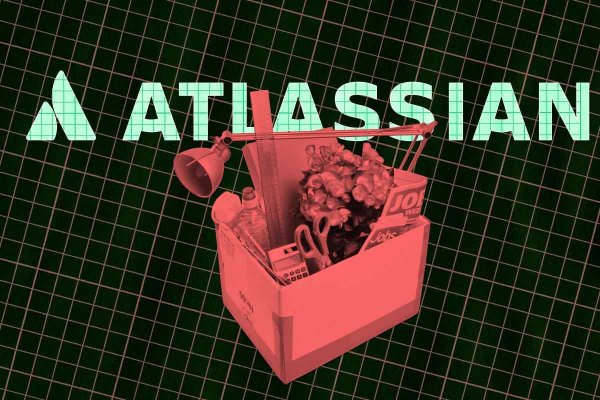
SAN FRANCISCO — Atlassian, the Australian software company known for its collaboration tools, said Thursday it will cut about 1,600 positions, or 10 percent of its workforce, as part of a strategic shift toward artificial intelligence. The reduction will touch employees across North America, Australia, and India, with the company citing a need to “rebalance” resources for what it calls the “future of teamwork in the AI era,” according to Reuters.
The layoffs are the latest in a wave of tech-sector downsizing tied to AI adoption. Atlassian, which generates most of its revenue from selling project management and team collaboration software, said the cuts are not a simple case of machines replacing humans. In a memo to staff, CEO Mike Cannon-Brookes stated, “Our approach is not ‘AI replaces people,’” but he acknowledged that AI “doesn’t change the mix of skills we need or the number of roles required in certain areas. It does.”
Of the total layoffs, about 40 percent will affect employees in North America, roughly 600 people. Another 30 percent will come from Australia, and 16 percent from India, the company said. The announcement follows a period of intense market speculation about how AI agents and automation tools could disrupt the software industry.
That anxiety escalated last month when Anthropic released Claude Cowork, an AI agent designed to automate certain white-collar tasks, including legal work. The launch contributed to a near-trillion-dollar sell-off in tech stocks, prompting prominent figures like Nvidia CEO Jensen Huang to push back against the idea that AI would make software engineers obsolete, calling such predictions “illogical.”
Broader Tech Layoffs Reflect AI-Driven Restructuring
Atlassian’s move mirrors similar actions at other companies. Late last month, Block CEO Jack Dorsey announced the fintech firm would cut 4,000 jobs, or 40 percent of its global workforce, citing AI’s “fundamental” impact on how companies are built and run. Dorsey described a “new way of working” with smaller teams, and employees had reportedly been urged to maximize their use of AI tools before the cuts.
Some industry analysts see the pivot as a positive development. Gil Luria, an analyst at DA Davidson, told Reuters that software companies like Atlassian have a chance to improve efficiency by integrating AI tools, particularly in product development.
However, the sudden nature of the layoffs has drawn criticism from labor representatives. Paul Inglis, a director at Professionals Australia, the union representing Atlassian workers, told The Guardian that employees were not consulted or warned about the restructuring. “These are experienced professionals who have helped build one of Australia’s most successful technology companies from the ground up,” Inglis said. “They deserve respect, transparency and proper consultation when major decisions about their livelihoods and their future careers are made.”
While AI is frequently cited as the reason for job cuts across industries, some experts caution that the technology’s capabilities are often overstated and may be masking other factors, such as overhiring during the pandemic, management missteps, or broader economic pressures.
Atlassian’s announcement adds to a growing list of tech companies rethinking their workforce strategies in response to AI, but the long-term impact on jobs and productivity remains uncertain.