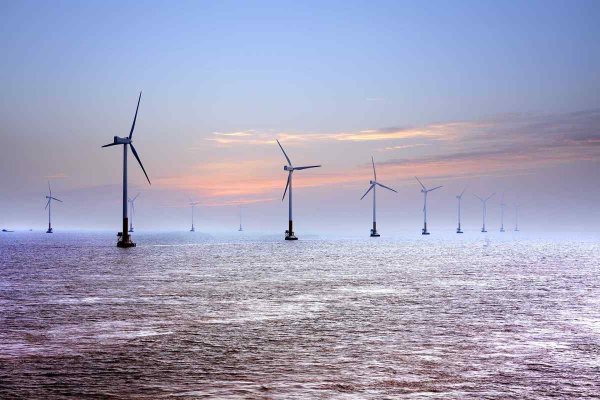
Deepwater Wind, the developer behind the first U.S. offshore wind farm, has submitted a proposal to build a wind installation off Massachusetts that would pair 144 megawatts of turbine capacity with 40 megawatts of Tesla battery storage, according to a Bloomberg report. The bid is part of a state solicitation for large-scale clean energy projects, and the company will compete against other developers for the contract.
The proposed system would use Tesla Powerpack commercial batteries to store electricity generated during periods of high wind output and release it during peak demand hours, such as evenings and winter months. This approach mirrors the operation of Tesla's energy storage installation in Kauai, Hawaii, which went online earlier in 2017.
Massachusetts has set an aggressive timeline for expanding renewable energy, and the selected project will be required to deliver approximately 9.45 million megawatt-hours of clean energy annually. The contract award is expected to go to the developer that can offer the most reliable and cost-effective solution.
Why Battery Storage Matters for Offshore Wind
Offshore wind generation is inherently variable, and battery storage helps smooth the supply to match demand patterns. By integrating Tesla's Powerpack technology, Deepwater Wind aims to ensure that power is available when it is most needed, rather than only when the wind blows. This is particularly important for a state like Massachusetts, where peak electricity use often occurs in the early evening.
The 40-megawatt storage capacity is smaller than that of Tesla's installations in Kauai and a planned facility in Australia, but its offshore application would demonstrate the versatility of the Powerpack system. Tesla has positioned itself as a key supplier for projects that require high reliability, and this proposal would be another example of its role in the energy sector.
Deepwater Wind already has a track record: it built and brought online the Block Island Wind Farm off Rhode Island, the first offshore wind farm in the United States. That experience could give the company an advantage in the competitive bidding process.
The Massachusetts initiative is part of a broader push to accelerate clean energy development in the region. If Deepwater Wind's proposal is accepted, it would mark a significant step forward in combining offshore wind with large-scale battery storage, potentially setting a precedent for future projects along the East Coast.