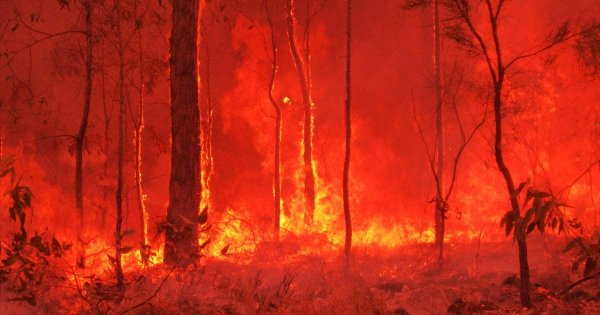
The catastrophic bushfires that have scorched large parts of Australia are now having repercussions far beyond the continent, with smoke plumes and heat-trapping particles drifting across oceans and potentially accelerating global climate change. While the fires have been primarily framed as a domestic tragedy, their environmental impact is increasingly being recognized as a worldwide concern.
According to a report by Inverse, the fires are generating thunderstorm-like columns of smoke that rise high into the atmosphere, carrying pollutants that can travel thousands of miles. These plumes are not just a visual spectacle; they are influencing weather systems and may contribute to a warming effect on a global scale.
The fires have already turned vast areas of Australia into what many describe as a fiery hellscape, with a rising death toll among both humans and wildlife. Despite the severity, some media outlets, including New York Magazine's Intelligencer, have noted that the fires were often treated as a "scary, but not apocalyptic local news story" rather than a global catastrophe in the making.
The climate implications are significant. The fires are releasing enormous quantities of greenhouse gases, and the particulate matter in the smoke can trap additional heat in the atmosphere, potentially exacerbating global warming. This double impact—direct emissions and indirect heat trapping—could have long-term consequences for the planet's climate system.
Global Weather Disruption
The smoke and particles from the Australian fires are not staying put. They are being carried by wind currents across the Pacific and other oceans, affecting air quality and weather patterns in distant regions. This means that millions of people outside Australia may experience the effects of these fires, even if they are thousands of miles away.
Scientists are particularly concerned about the potential for these fires to alter atmospheric conditions in ways that could influence rainfall, temperature, and even the frequency of extreme weather events in other parts of the world. The exact mechanisms are still being studied, but the scale of the fires makes it likely that their impact will be felt for years to come.
The fires have also sparked a broader conversation about the role of climate change in exacerbating such disasters. While the immediate focus is on firefighting and relief efforts, the long-term implications for global climate policy are becoming harder to ignore.
In a related development, Australian authorities have arrested dozens of individuals suspected of deliberately starting bushfires, adding a criminal dimension to an already devastating situation.
As the fires continue to burn, the world is watching closely. The events in Australia serve as a stark reminder that environmental disasters can have far-reaching consequences, transcending national borders and affecting the entire planet.