In a Brooklyn neighborhood, a quiet experiment is turning the traditional electricity market on its head. Residents with rooftop solar panels are selling excess power directly to their neighbors through a blockchain-based platform, bypassing the conventional utility grid. The initiative, called the Brooklyn Microgrid, is the brainchild of LO3 Energy, a local startup that launched a pilot project in 2012.
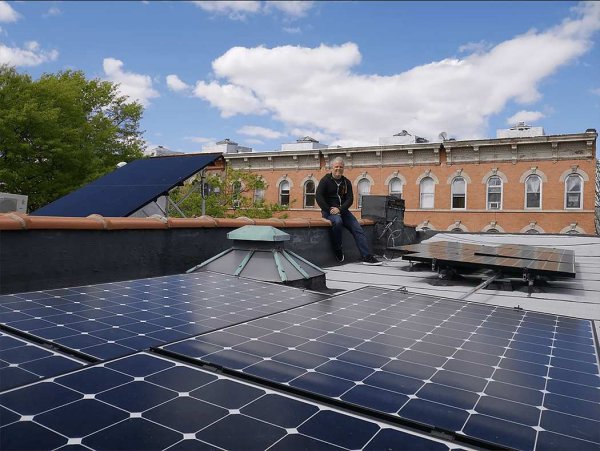
Michael Guerra, a Park Slope homeowner, installed 24 solar panels on his roof that year. Now, he not only powers his air conditioning more cheaply and cleanly in the summer but also earns money by selling environmental credits to neighbors without solar access. The transactions happen through a phone app that acts as an auctioneer, letting consumers control their energy purchases.
The system relies on blockchain, the same digital ledger technology that underpins cryptocurrencies like Bitcoin and Ethereum. Its decentralized nature ensures secure and reliable communication between meters, allowing for transparent peer-to-peer transactions. Scott Kessler, LO3's director of business development, emphasized that the project is designed for the whole community, not just the affluent. "The idea is that it isn't just rich people with solar panels selling energy to each other, but really, it's the entire community," he told Politico. "So if you're low-income and you need the cheapest power you can get, we'll still provide that to you."
After a successful trial, LO3 plans to formally launch the microgrid later this year. Interest has been strong, with 300 households and small businesses signing up. Already, 50 generation sites are scattered across Brooklyn, mostly solar, with one small wind turbine. Guerra, an early adopter, is convinced of its inevitability: "After I learned about it, I thought, 'This is definitely happening. This can't not happen.'"
Beyond Cryptocurrency: Blockchain's Broader Potential
The Brooklyn Microgrid is a tangible example of blockchain's utility beyond digital money. The technology is being explored for secure medical record sharing, international money transfers, and even basic income models and UN financial aid programs. Some visionaries see blockchain as the foundation for a new, decentralized internet.
Economist Campbell Harvey of Duke University called the microgrid "a glimpse of the future." He explained to Politico that blockchain enables everything to be done peer to peer, allowing solar panel owners to trade amongst themselves without a central intermediary taking a cut. This model could empower communities to manage their own energy resources, potentially reducing costs and increasing resilience.
The project also raises questions about the future of energy regulation and the role of traditional utilities. As more communities adopt such systems, utilities may need to adapt or face disruption. However, the Brooklyn Microgrid remains a pilot, and scaling it to larger populations will require addressing regulatory and technical hurdles.