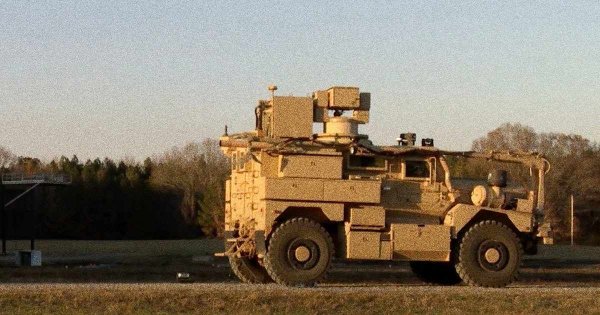
The U.S. Air Force is advancing its ground operations with a new laser system designed to neutralize landmines and unexploded ordnance from a safe distance, a move that highlights the military's expanding use of directed energy beyond traditional combat roles. The system, known as RADBO (Recovery of Airbase Denied by Ordnance), is being developed under a $40 million contract awarded to Parsons, a major defense contractor, as reported by C4ISRNET.
RADBO is engineered to clear hazards from airfields, whether they are littered with mines, cluster bomb submunitions, or general-purpose bombs, allowing the Air Force to reclaim and utilize these strategic locations without endangering ground personnel. The laser, named ZEUS, is mounted on a ground vehicle and can engage targets from more than 300 meters away, according to Parsons. This range ensures that operators remain well outside the blast radius of the ordnance they are neutralizing.
How RADBO Works
The ZEUS laser is designed to detonate small submunitions from cluster bombs, land mines, and thick-cased artillery rounds, making it a versatile tool for airfield clearance. Unlike high-energy weapons being developed for offensive purposes, RADBO is a practical application of laser technology for force protection and infrastructure recovery. It reflects a broader trend in the Pentagon's investment in directed energy, which has gained traction in recent years for both defensive and offensive capabilities.
The contract with Parsons signals a shift toward integrating lasers into everyday military logistics and safety operations. While the system is not intended for direct combat, its deployment could reduce the time and risk associated with manual mine clearance, a process that traditionally requires specialized teams to physically approach and disable threats.
Why This Matters
The development of RADBO underscores the military's commitment to leveraging technology to protect personnel and maintain operational readiness. By enabling remote detonation of ordnance, the Air Force can secure airfields faster and with fewer resources, which is critical in contested environments or after an attack. The system also demonstrates that lasers are becoming more common in military settings, even if they are not always used as weapons.
Parsons, the contractor behind the project, has not disclosed a timeline for delivery or deployment, but the contract award marks a significant step forward. As the Pentagon continues to explore directed energy solutions, RADBO could serve as a model for future non-lethal applications of laser technology.
For now, the Air Force is focused on integrating this capability into its existing infrastructure, with the goal of ensuring that airfields remain operational even after being targeted by adversaries. The success of RADBO could pave the way for similar systems in other branches of the military, further cementing the role of lasers in modern defense strategies.